
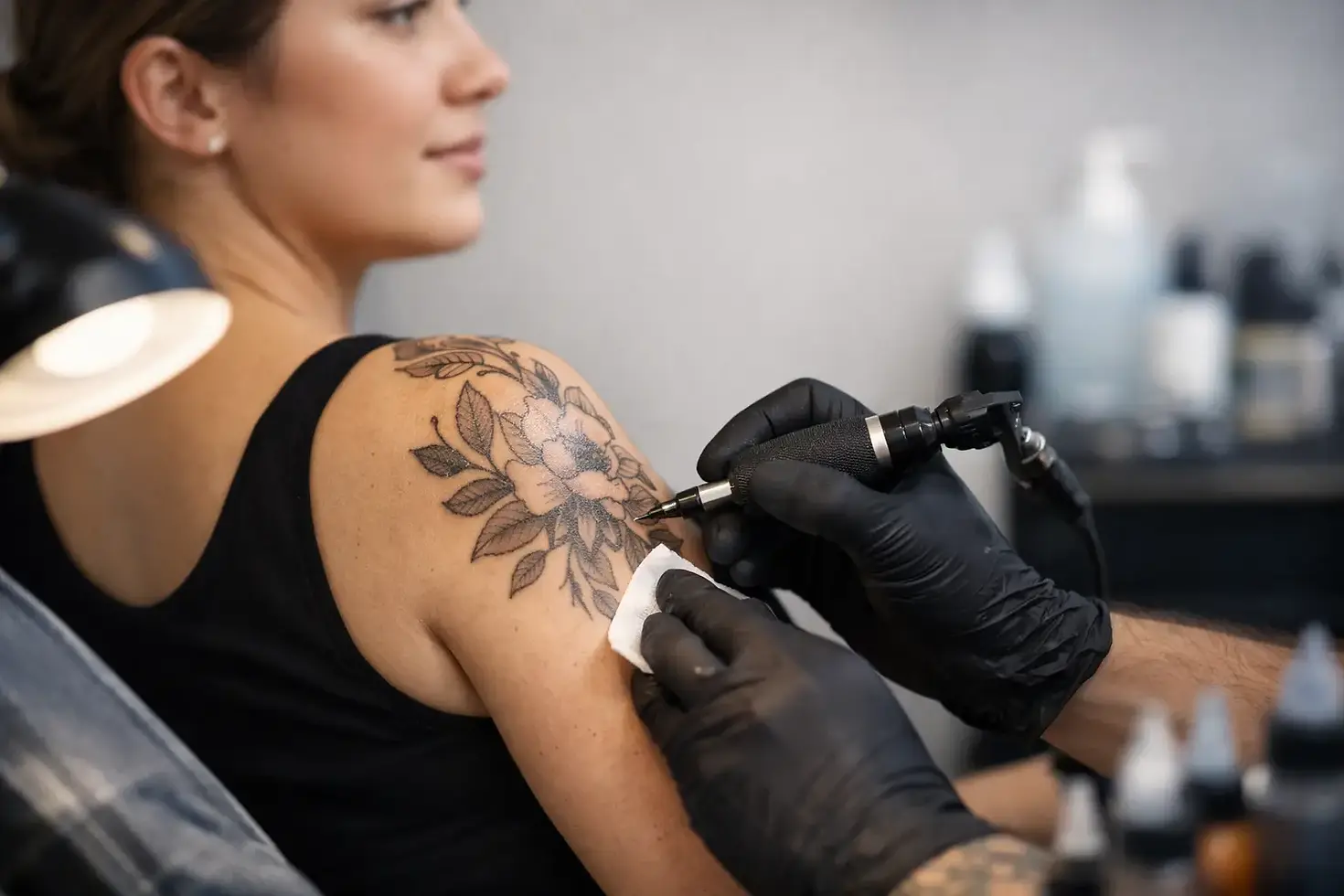
Hoe veilig is een tattoo echt?

You can love a design and still have one very fair question before booking: hoe veilig is een tattoo? That question matters even more if it’s your first piece, if you have sensitive skin, or if you’ve seen horror stories online. The short answer is this: a tattoo can be very safe when it’s done by a professional artist in a clean studio and followed by proper aftercare. But it’s never something to treat casually.
A tattoo is a controlled skin injury. That sounds dramatic, but it’s the honest version. Ink is placed into the dermis with needles, so safety depends on every step around that process - the setup, the materials, the artist’s hygiene habits, your health, and how well you care for the tattoo afterward.
Hoe veilig is een tattoo in a professional studio?
In a professional setting, the biggest risks are reduced because good studios build safety into the routine. Needles are single-use. Work surfaces are disinfected. Gloves are changed when needed. Ink caps are set up fresh for each client. The artist pays attention not just to the tattoo itself, but to cross-contamination, skin prep, and aftercare guidance.
That’s the difference between a tattoo that heals cleanly and one that becomes a problem. Safety is rarely about one dramatic mistake. More often, it comes down to discipline in small details.
A serious artist will also slow things down when needed. If your skin is irritated, if the stencil area isn’t properly prepared, or if something in the setup doesn’t look right, rushing is not worth it. Good tattooing is craftsmanship, and craftsmanship includes hygiene.
What are the real risks?
The internet tends to swing between two extremes: either tattoos are presented as no big deal at all, or they’re made to sound far more dangerous than they usually are. The truth sits in the middle.
The most common risk is irritation during healing. Redness, tenderness, mild swelling, and some scabbing can be normal in the first days. That doesn’t automatically mean something is wrong. Your skin has been worked on, and it needs time to calm down.
The bigger concern is infection. This can happen if the tattoo is done in poor conditions, if aftercare is neglected, or if the tattoo is touched with dirty hands while healing. Signs can include increasing redness, heat, pus, severe swelling, or pain that gets worse instead of better. That’s when a tattoo stops being a normal healing process and starts needing medical attention.
Allergic reactions are less common, but they do happen. Some people react to certain pigments, especially in colored inks, though black ink can also cause issues in rare cases. If you have a history of allergies, eczema, or very reactive skin, it’s worth discussing that before your appointment.
There’s also the risk of poor healing from friction, sweating, sun exposure, or picking at the tattoo. That may not sound as serious as infection, but it still affects the final result. A tattoo can be technically well done and still heal badly if the aftercare is careless.
Hygiene matters more than people think
When clients ask how safe tattooing is, they often focus on the needle. That’s understandable, but needle safety is only one piece of the picture.
What matters just as much is how the full station is handled. Was the surface cleaned? Are bottles and tools protected from contamination? Does the artist wash hands properly? Are gloves changed after touching non-sterile items? Is the skin shaved and cleaned correctly before starting?
These are the quiet habits that separate a professional studio from a risky one. Clean tattooing should look organized, not improvised. If the setup feels chaotic, if packaging is already open without explanation, or if hygiene looks inconsistent, trust that instinct.
A good studio won’t be offended by questions. If anything, they’ll respect them. Safety should never feel mysterious.
How safe is tattoo ink?
This is one of the most misunderstood parts of the process. People often ask whether tattoo ink is “toxic” as if there’s one simple yes or no answer. There isn’t.
Professional tattoo inks are made for this use, but your body still reacts to them as a foreign substance. That’s part of how tattoos work - the pigment stays in the skin because your body doesn’t fully remove it. Most people tolerate ink without serious problems, but sensitivity can vary from person to person.
Color can add another variable. Bright pigments may carry a slightly higher chance of sensitivity for some clients. That doesn’t mean color tattoos are unsafe. It means choosing quality materials and an experienced artist matters.
If you have autoimmune conditions, severe allergies, a history of keloid scarring, or you’re pregnant, this is where “it depends” becomes important. A tattoo artist can guide you on the process, but medical concerns should be discussed with a doctor when relevant.
Your part in tattoo safety
Even the cleanest studio can’t protect a tattoo once you ignore aftercare. A lot of healing issues begin at home, not in the chair.
Coming in well rested, hydrated, and fed helps more than many first-timers expect. Skin handles trauma better when your body isn’t already stressed. Alcohol or drugs before an appointment are a bad idea, both for safety and for how your skin behaves during the session.
After the tattoo, follow the artist’s instructions exactly. Don’t switch to random internet advice halfway through healing. Keep the area clean, avoid soaking it, don’t scratch it, and keep it out of intense sun. Gym sessions, tight clothing, pet hair, and dirty bedding can all become factors depending on placement.
This is where a one-on-one studio experience can make a real difference. You’re more likely to get clear, personal aftercare advice instead of rushed generic instructions. At Olymp Tattoo, that kind of direct artist guidance is part of making the whole process feel safe, especially for first-time clients.
How to tell if a studio is safe before you book
You do not need to be an expert to spot good signs. You just need to pay attention.
A trustworthy studio is transparent about hygiene, clear about the process, and calm when answering questions. The artist should be able to explain how they prepare the station, what materials are single-use, and how they handle aftercare. You should never feel pressured into booking before you’re comfortable.
The consultation matters here. It’s not just about the design. It’s your chance to notice whether the artist listens, whether the environment feels clean, and whether the answers are specific instead of vague. Confidence is good. Evasion is not.
Photos of healed work also help. Fresh tattoos can look great for a day. Healed tattoos tell you more about technique, skin knowledge, and aftercare standards.
Who should be extra careful?
For some people, the question is not simply hoe veilig is een tattoo, but whether now is the right time to get one.
If you’re sick, sunburned, dealing with active skin irritation, or taking medication that affects healing or blood clotting, postponing may be the smarter move. If you have diabetes, autoimmune issues, severe eczema, or a known allergy history, extra caution makes sense. It doesn’t automatically rule out tattooing, but it does mean preparation should be more thoughtful.
Placement matters too. Hands, feet, ribs, and areas with a lot of movement or friction can be harder to heal. That’s not a reason to avoid them, just a reason to go in with realistic expectations.
Safe does not mean risk-free
This is the most honest answer any studio can give. No tattoo is 100 percent risk-free, because skin, healing, and human bodies are never that predictable. But “not risk-free” is not the same as “unsafe.”
A tattoo becomes a reasonable decision when the risks are understood, the studio is professional, and the process is treated with care. If the artist takes hygiene seriously, uses proper materials, and gives you honest guidance, the odds are strongly in your favor.
And that’s really what most people want before they commit - not fake guarantees, just clear standards, good craftsmanship, and a studio that treats your skin with the same respect as your design.
If you’re thinking about getting tattooed, ask questions without hesitation. The right artist won’t just welcome that - they’ll see it as part of doing the job properly.


Opmerkingen